
You Must Be a Subscriber to View This Page

Fourth Sunday of Advent • Year A
December 21, 2025
Historical Collect
Stir up your power, O Lord, and come. With your great might, give us your help, that whatever is hindered by our sins may be speedily accomplished by your grace; for you live and reign with the Father and the Holy Spirit, one God, now and forever. Amen. (Gelasian Sacramentary, 7th Century)
Thematic Collect
Gracious God, the Alpha and Omega, our beginning and our end, may your Spirit kindle in us patience and peace as we wait for the coming of your Son, and the humility and boldness to proclaim his reign. We ask this through Jesus Christ, who lives and reigns with you and the Holy Spirit, one God, now and forever. Amen.
The Common Thread
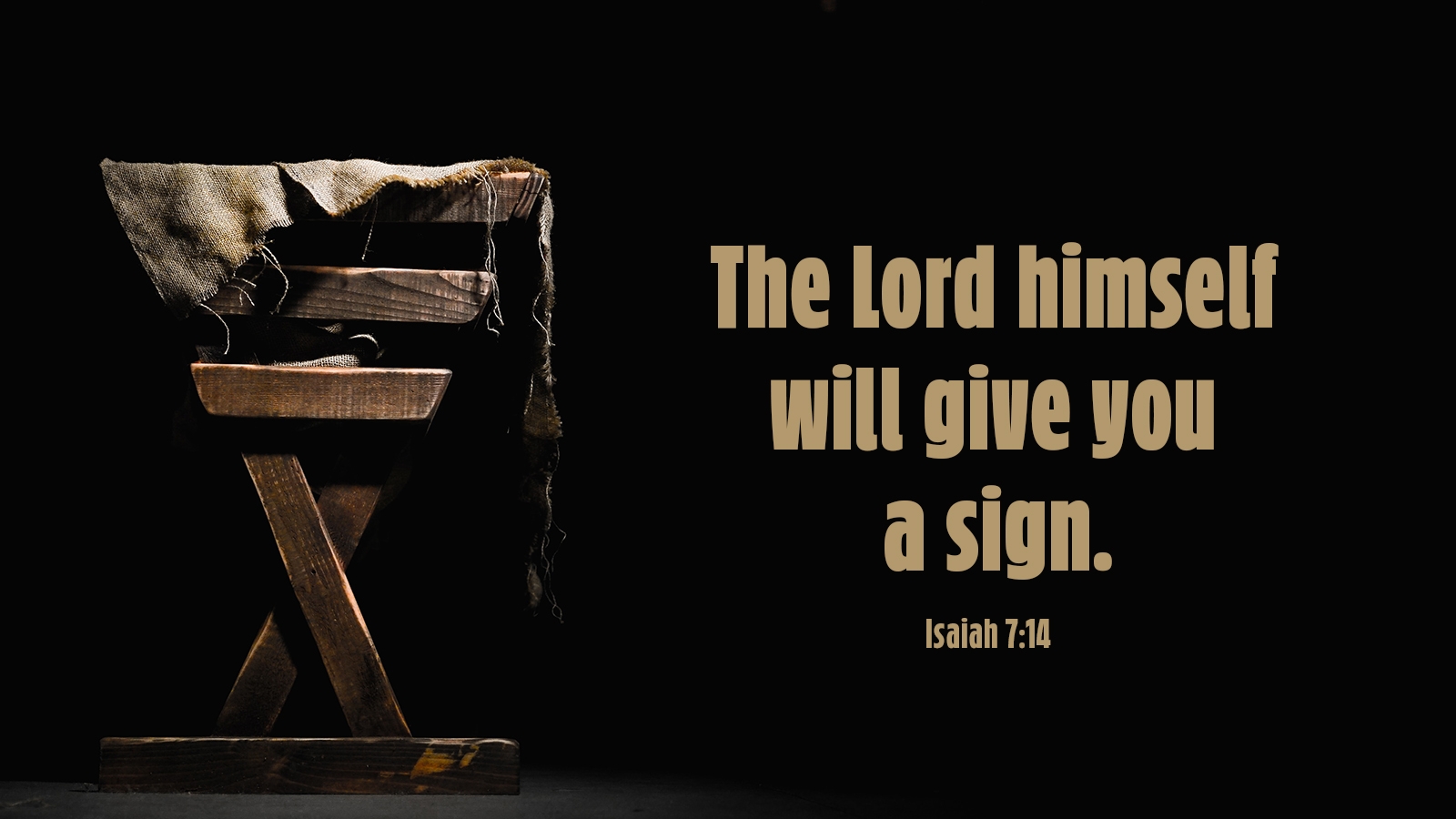
The promised sign is from antiquity. A virgin will bear a child and his name is “God with us.” Through God’s Messiah we receive both grace and the obedience of faith so that we may believe the promise. This is the blessing of the Lord: the righteousness of faith in the chosen, anointed one. As the ancient headers and gates of the temple needed to be removed so that the great God of Israel might enter the sanctuary, just so, our small hearts must be lifted up so that God may enter in and be Immanuel, God with us.
First Reading • Isaiah 7:10–17
King Ahaz feared for his kingdom because Syria and Ephraim allied against Judah. The Lord spoke to Ahaz and told him all would be well and to be firm in faith. To confirm his faith, he bade Ahaz to ask God for a sign. When the king would not put the Lord to the test by asking, God provided his own sign: A virgin will be with child and will give birth to a son whose name will be “God with us.” By then, the feared invading countries would be deserted. When God is with us, there is nothing to fear.
Psalm • Psalm 24:1–10
Long ago, Israel was meant to be different from the other nations. It was to have the Lord as its King. This was in marked contrast to the countries ruled by a man. However, in the days of the judges, Israel desired a human king, and in so doing, it was no different than the unbelievers, renouncing God as their ruler.
This psalm brings back into focus the necessity of worshiping the Lord God as King. It depicts his greatness and holiness. The psalmist’s initial question (“Who may ascend the hill of the Lord?”) is answered, at first glance, rather uncertainly. Only one who was good could go up to the holy place — yet in another psalm, it is admitted that no one does good (Psalm 14:1). One must then wonder if the requisite goodness went beyond morality. Was it less a matter being morally good and more a matter of being vindicated by the Holy God? The ones who receive the blessing to ascend and seek the face of the King of glory are those who have not lifted up their souls to to what is false — that is, they have not been worshipers of falseness or false gods. These ones, having gone up to the holy place, may cry to the lintels or headers of the great and high temple doors, “Be lifted up!” God is too great to enter such doors without their heads first being raised.
Second Reading • Romans 1:1–7
Advent is a time for remembering the promises of old. The gospel of God that was promised by the prophets is fulfilled in Jesus Christ. He was descended from King David and therefore was a man. Yet he was also shown to be the Son of God through his resurrection from the dead. These promises are accomplished with purpose: to bring about faith among all the nations.
Gospel • Matthew 1:18–25
Imagine the scene were it to occur today: A virgin is with child. First, she would be accused of cheating on her fiancé. Second, he would be accused of fooling around out of wedlock. She would stick to her story, and we would call it unbelievable. That unbelievable tale was Mary’s story, and whatever Joseph, her fiancé, thought of it, he was kind enough to not disgrace her publicly. He was about to quietly separate from her (which would save him some embarrassment, too) when a messenger from God told him to go through with the marriage. Now both Mary and Joseph have heard from angels. Who would believe them?
As if the story was not astounding enough, the angel added that this child, born out of wedlock, would save his people from their sins. This is what Mary and Joseph had faith to believe. It is this same incredible story that we believe and remember this last Sunday in Advent.
Other Advent Resources
Can We Pledge Our Lives Today? (Hymn text by Rev. Mark Ryman, sung to the tune of "Holy Spirit, Truth Divine."
Resources
Links to Worship Resources for this Service
